

Performance & Capability
N97MW pairs a factory new 180 horsepower Lycoming engine with a strengthened airframe and a Gross Weight Increase STC, creating a capable, predictable, and confidence-inspiring platform for both training and cross-country flying. This aircraft delivers reliable climb performance, stable handling qualities, and a balanced feel that supports students and experienced pilots alike.
Engineered for Dependability
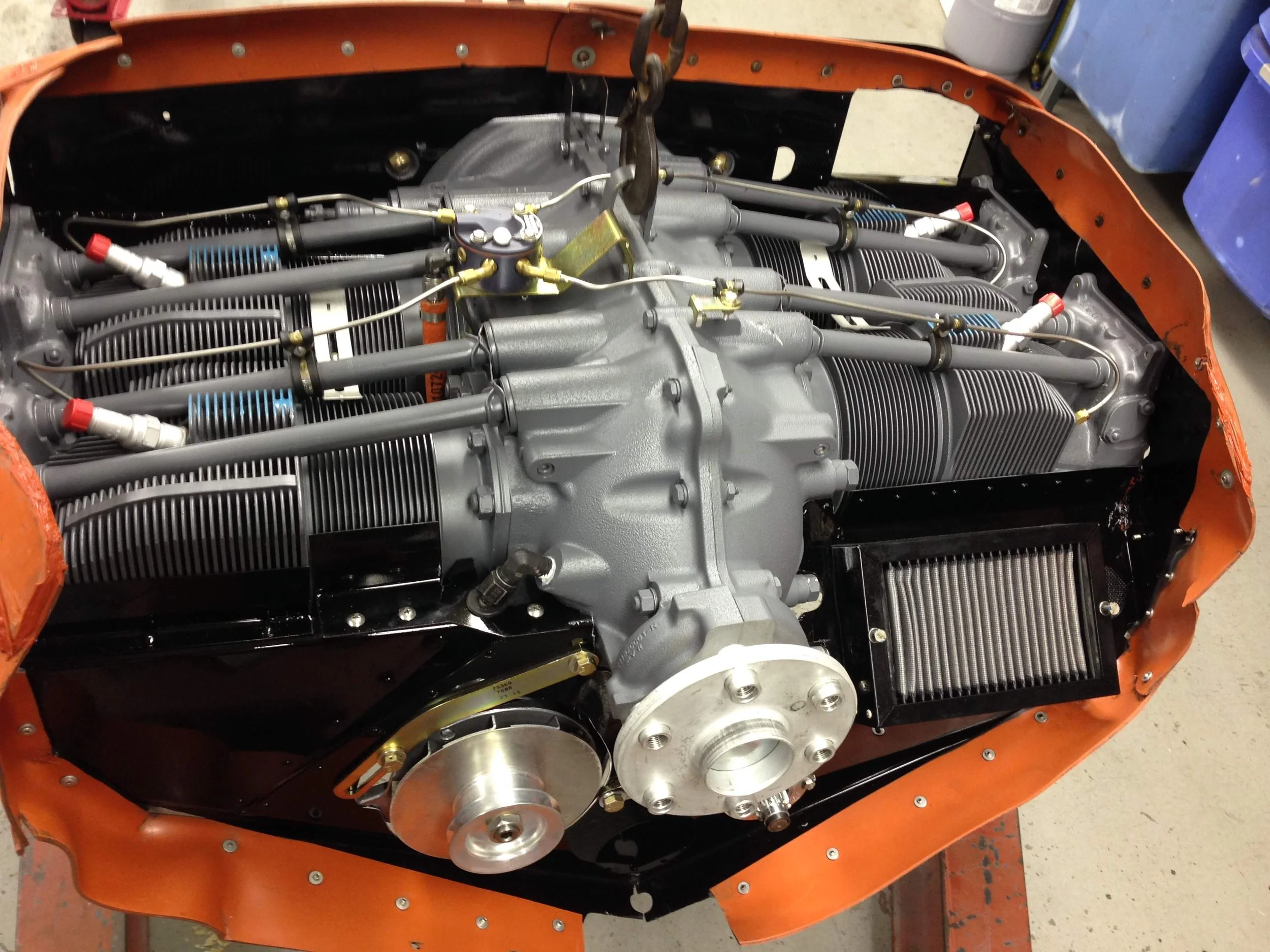
N97MW is powered by a Lycoming O-360-A4M, one of the most trusted engines in general aviation. Paired with a two-blade Sensenich propeller and supported by clean, well-documented maintenance history, the powerplant offers smooth operation, strong cruise efficiency, and excellent durability. This combination provides the performance advantage of the 180 HP STC while maintaining predictable handling for training environments.
Key Benefits
Smooth, predictable power delivery
Excellent thermal stability
Proven durability for high-utilization environments
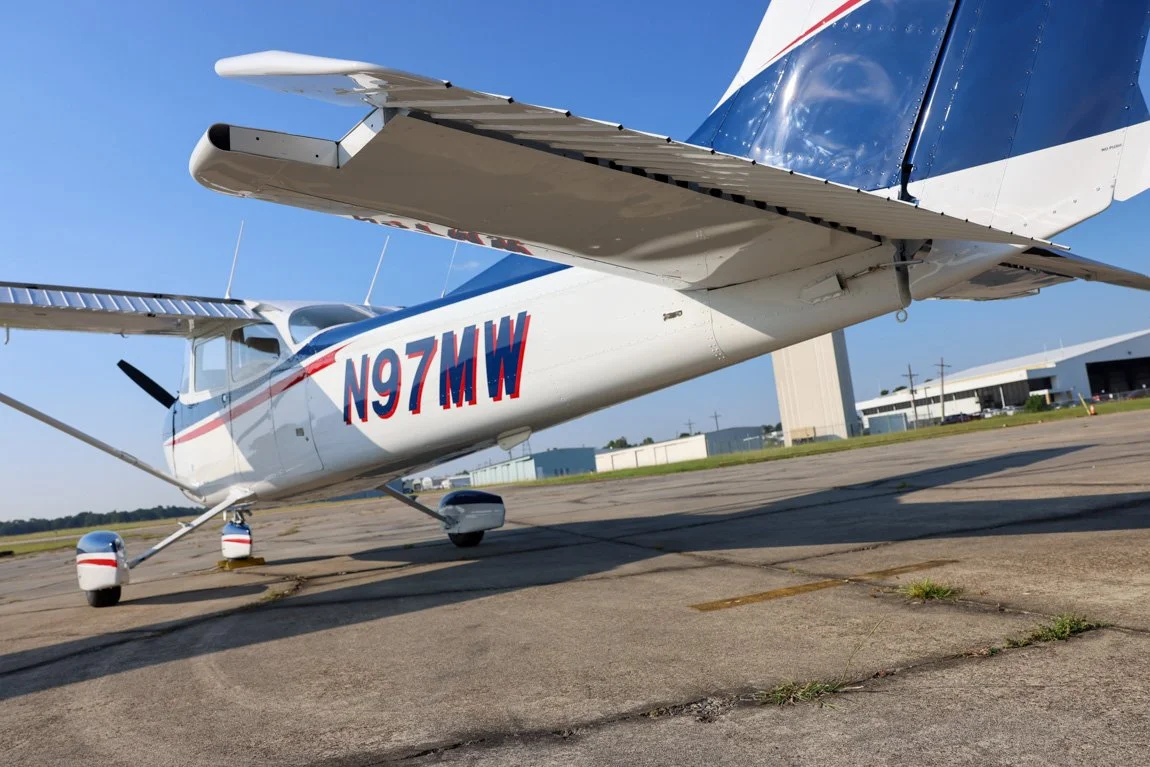
Stronger Airframe, Higher Useful Load
With the Gross Weight Increase STC, N97MW offers a maximum takeoff weight of 2,550 lbs — making it more capable for fuel, passengers, and training missions. The upgraded performance provides flexibility without compromising stability, giving students a safer, more forgiving aircraft and offering flight schools a dependable trainer with improved utility.
Maximum Takeoff Weight: 2,550 lbs (GW Increase STC)
Performance Highlights
-
Powerplant & Propeller
Engine – Lycoming O-360-A4M
- Type: 4-cylinder, horizontally opposed
- Induction: Carbureted
- Ignition: Dual magnetos
- Horsepower: 180 HP
- Cooling: Air-cooled
- Fuel type: 100LL AvGas
- Displacement / configuration: Standard Lycoming O-360 architecture
Propeller – Sensenich 76EM8S14-0-60
- Type: Fixed-pitch
- Material: Aluminum
- Blades: 2
- Governor: None (fixed-pitch configuration)
- Purpose: Optimized for climb/cruise balance
-
Weight, Balance & Performance
Certified Limits
- Maximum Takeoff Weight: 2,550 lbs (via Gross Weight Increase STC)
- Standard seating capacity: 4
- Fuel capacity: 52 US gallons total, 48 US gallons usable (Long-range fuel tanks)
Performance Characteristics
- Strong, predictable climb capability
- Stable cruise performance suitable for training
- Improved utility due to increased MTOW
- Forgiving handling qualities across all phases of flight
-
Airframe Systems
Primary Systems
- Airframe: All-metal, high-wing design
- Flight Controls: Manual cable-driven
- Electric Aileron Trim: SA12945O Installed
Lighting Systems
- Wingtip strobe lighting system
- Interior: NuLite panel instrument lighting system
Safety & Emergency Equipment
- SARSAT ELT beacon
- High-wing configuration provides downward visibility and inherent stall stability
-
Fuel, Electrical & Mechanical Systems
Fuel System
- Dual wing tanks with long-range capacity
- Gravity-fed fuel delivery for simplicity and reliability
Electrical System
- 14-volt system (Cessna standard for the 172M)
- Engine-driven alternator
Oil Capacity:
- Oil capacity: 8 qts
Mechanical Reliability
- Proven serviceability
- Straightforward inspection access
- Known low operating costs for training environments
-
Cabin, Interior & Human Factors
Cabin & Ergonomics
- Fully refurbished interior (upholstery, seats, panels, headliner, carpet)
- Rosen sun visors for visual comfort
- Modern, clean aesthetic reduces distraction and improves visibility
Flight Training Advantages
- Spacious, familiar 172 cockpit layout
- Balanced control feedback ideal for early training
- Predictable stall and slow-flight characteristics
-
Performance Data & V-Speeds
Key Performance Numbers
- Takeoff ground roll: ~865 ft
- Takeoff over 50 ft obstacle: ~1,525 ft
- Landing ground roll: ~520 ft
- Landing over 50 ft obstacle: ~1,295 ft
- Rate of climb: ~800–900 ft/min
- Cruise speed (75% power): ~120 KTAS
- Service ceiling: ~13,000 ft
- Best range speed: ~68–75 KIAS (depending on altitude)
- Fuel capacity: 52 gallons total, 48 usable
- Long-range endurance: ~4–5 hours (with reserves, depending on power setting)
Standard V-Speeds (KIAS)
Vso : 47 (Power-off Stall, Landing Config)
Vs1 : 53 (Power-off Stall, Clean)
Vr : 55 (Rotate)
Vx : 62 (Best Angle of Climb)
Vy: 74 (Best Rate of Climb)
Vg: 68 (Best Glide)
Va: 90–105 – 97 @ 2,550 lbs (max gross) (Maneuvering Speed)
Vfe: 110 (10°) / 85 (20°–40°) (Max Flap Extension)
Vno: 129 (Max Structural Cruise)
Vne: 160 (Never Exceed)
Reference Note
Values are based on the 172M Pilot Operating Handbook. Actual performance varies with loading and atmospheric conditions.